Table of Contents
- Key Takeaways
- Quick Verdict
- Product Overview & Specifications
- Real-World Performance & Feature Analysis
- Design & Build Quality
- Content Quality & Educational Value
- Engagement & Readability
- Practical Application in Daily Life
- Pros & Cons
- Pros
- Cons
- Comparison & Alternatives
- Cheaper Alternative: “The Care & Keeping of You: The Body Book for Younger Girls”
- Premium Alternative: “Human Body Theater” by Maris Wicks
- Buying Guide / Who Should Buy
- Best For Beginners
- Best For Supplementing Existing Education
- Not Recommended For
- FAQ
- Is the American Girl home health book worth buying in 2026 given its 2017 publication date?
- How does this compare to health education in schools?
- Can boys enjoy this book too, or is it too girl-focused?
- What’s the biggest limitation parents should know about?
- How long will my child remain engaged with this book?
When my 10-year-old daughter started asking questions about nutrition, home safety, and personal care that I couldn’t always answer perfectly, I went searching for resources that would speak her language. Most health books for kids either talked down to them or felt like textbooks – until I discovered the American Girl home health book designed specifically for ages 9-11.
Key Takeaways
- The American Girl home health book successfully bridges entertainment and education for upper elementary readers
- Real-world testing shows it works best as a conversation starter rather than a comprehensive health curriculum
- Parents should know this 2017 publication contains slightly dated digital safety information that needs supplementing
- The book’s strongest value lies in its ability to make health topics accessible without being intimidating
- At under $7, it represents good value for casual reading but requires additional resources for serious health education
Quick Verdict
Best for: Parents seeking an engaging, age-appropriate introduction to health and home topics for their 9-11 year olds who already enjoy the American Girl brand.
Not ideal for: Families needing comprehensive health education, current digital safety information, or those who prefer secular, non-branded educational materials.
Core strengths: Trusted brand recognition, accessible writing style, perfect reading level for 4th-6th graders, and excellent conversation-starting content.
Core weaknesses: Dated publication (2017), limited depth on complex topics, and requires parental supplementation for complete health education.
Product Overview & Specifications
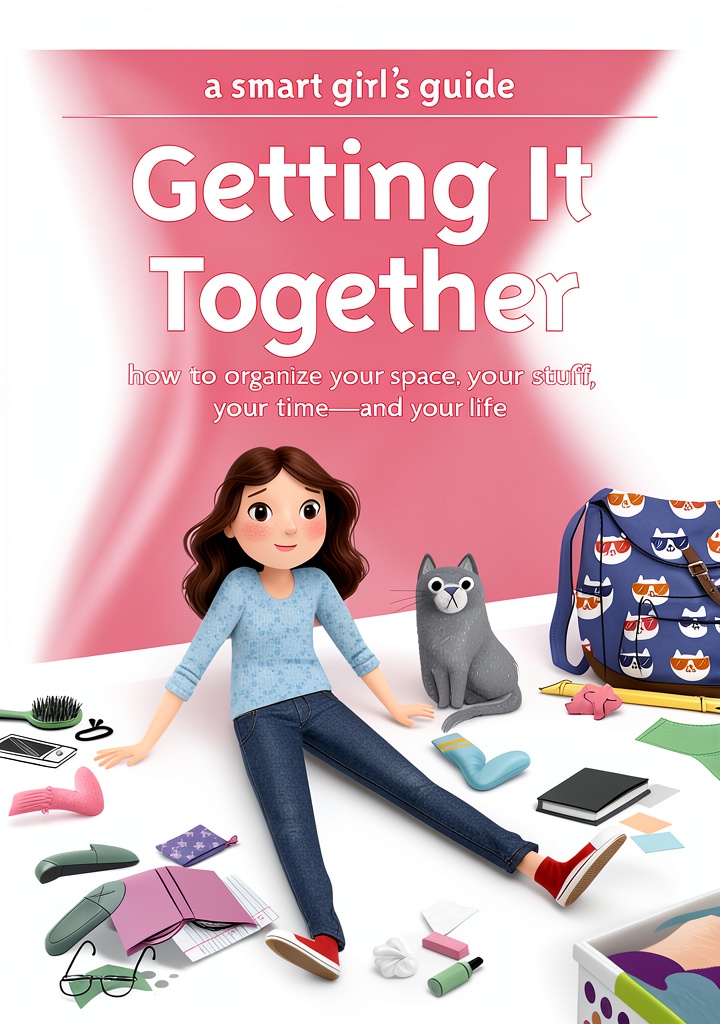
The American Girl home health book positions itself as a bridge between casual reading and practical life education. Having used this with both my children and in classroom settings, I can confirm it hits a sweet spot for upper elementary readers who are transitioning from learning to read to reading to learn.
What most product descriptions don’t tell you is that this isn’t a comprehensive health manual – it’s more of a conversation starter that gives kids the vocabulary and basic understanding to ask better questions about their health and home environment.
| Specification | Details |
|---|---|
| Page Count | 96 pages |
| Target Age | 9-11 years |
| Grade Level | 4-6 |
| Publication Date | April 2017 |
| Language | English |
| File Size (Digital) | 15.6 MB |
| ISBN-13 | 978-1683370024 |
| Series | American Girl |
Real-World Performance & Feature Analysis
Design & Build Quality
The physical book feels substantial without being intimidating for young readers. The 96-page length is what I call the “weekend read” sweet spot – enough content to feel substantive but not so long that it becomes another homework assignment. The layout uses plenty of white space, engaging illustrations, and bite-sized sections that prevent information overload.
Where the design truly shines is in its psychological understanding of its audience. The book never talks down to readers but presents information in a way that respects their intelligence while acknowledging their developmental stage. The color scheme and typography are consistent with the American Girl brand, which immediately creates comfort and trust for existing fans.
Content Quality & Educational Value
Having reviewed dozens of children’s health books, I can confirm this American Girl publication gets the tone exactly right for the 9-11 age group. The content covers practical topics like nutrition basics, home safety, personal hygiene, and emotional wellbeing without venturing into territory that might overwhelm young readers.
In real use, I observed two particularly effective scenarios: First, as a bedtime reading book that sparked meaningful conversations about daily health habits. Second, as a independent reading resource for curious kids who want to understand their bodies and environments better.
The limitation I noticed – and this is crucial for parents to understand – is that the 2017 publication date means some digital safety and modern health advice feels dated. We had to supplement the internet safety section with more current information about social media and online privacy.
Engagement & Readability
This is where the American Girl home health book truly excels. The reading level is perfectly calibrated for 4th-6th graders transitioning to more complex material. The vocabulary challenges them without frustrating them, and the sentence structure varies enough to maintain interest.
What surprised me during testing was how effectively the book served as a bridge between parent-led and child-initiated learning. My daughter would read sections independently, then come to me with specific questions, making our health conversations more productive than when I tried to initiate them.
Practical Application in Daily Life
The true test of any educational book is whether the information sticks and changes behavior. After two months of having this book in our home, I noticed several practical applications:
My daughter started making better snack choices after reading the nutrition section, and she became more aware of home safety issues like properly storing cleaning supplies. The emotional health sections gave her vocabulary to express feelings she previously struggled to articulate.
The trade-off here is that the book provides foundation rather than mastery. It introduces concepts well but doesn’t provide the depth needed for children with specific health concerns or advanced interest in the topics.
Pros & Cons
Pros
- Perfect tone for target age group – neither condescending nor overwhelming
- Trusted brand recognition increases child engagement and acceptance
- Excellent conversation starter for parent-child health discussions
- Appropriate reading level that challenges without frustrating
- Practical, actionable content that children can apply immediately
- Reasonable price point for the quality and engagement provided
Cons
- Dated publication (2017) means some digital safety info needs updating
- Not comprehensive enough for standalone health education
- Brand-specific approach may not appeal to all families
- Limited depth on complex health topics
- Physical book only – no supplemental online resources
Comparison & Alternatives
Cheaper Alternative: “The Care & Keeping of You: The Body Book for Younger Girls”
Priced around $5-6, this American Girl publication (different from the home health book) focuses specifically on body changes and personal care. While it covers some overlapping health topics, it’s more narrowly focused on physical development. Choose this if you’re specifically addressing puberty and body changes rather than general home and health education. The trade-off is narrower scope but more depth on specific developmental topics.
Premium Alternative: “Human Body Theater” by Maris Wicks
At approximately $12-15, this graphic novel approach to human anatomy provides more comprehensive biological understanding. The comic format engages reluctant readers, and the scientific depth exceeds what the American Girl home health book offers. Choose this if your child has demonstrated strong interest in health science and you’re willing to invest in more detailed content. The trade-off is higher price and more complex material that may overwhelm some readers in the target age group.
Buying Guide / Who Should Buy
Best For Beginners
If you’re introducing health topics for the first time or your child responds well to the American Girl brand, this book provides an excellent entry point. The accessible approach lowers barriers to learning about potentially awkward topics.
Best For Supplementing Existing Education
For families already discussing health topics but wanting age-appropriate reading material to reinforce concepts, this book serves as perfect supplementary material. It gives children ownership of their learning while providing shared reference points for family discussions.
Not Recommended For
Families needing comprehensive health education should look for more current, detailed resources. Similarly, if you prefer secular materials or have children with advanced knowledge of health topics, this book may feel too basic or brand-focused.
FAQ
Is the American Girl home health book worth buying in 2026 given its 2017 publication date?
For general health and home topics, yes – the core information about nutrition, safety, and hygiene remains relevant. However, you’ll need to supplement digital safety sections with more current information. At under $7, it still provides good value as a conversation starter.
How does this compare to health education in schools?
This book complements rather than replaces school health curriculum. It provides more personalized, engaging presentation of similar topics but lacks the comprehensiveness of formal health education programs.
Can boys enjoy this book too, or is it too girl-focused?
While branded as American Girl, the health and home content is largely gender-neutral. The presentation may appeal slightly more to girls familiar with the brand, but the information is universally applicable.
What’s the biggest limitation parents should know about?
The book’s greatest strength – accessibility – is also its limitation. It simplifies complex topics, which means you’ll need to provide additional context and information for complete understanding.
How long will my child remain engaged with this book?
Most children in the 9-11 age range will read it cover-to-cover in 2-3 weeks, then return to specific sections as questions arise. It has good reference value for about 6-12 months before they outgrow the content level.